· de makersfabriek, zwolle, overijssel
Meetup No. 3
past- Marin Niehuesai-is-easy-until-you-add-people-inside-the-chaos-of-implementing-aiabout this talk
The inside story of embedding AI in a global manufacturer: legacy systems, missing data, sceptical engineers, and an organisation not built for the change.
AI is supposed to be the future. At least, that's what all the PowerPoint decks say.
The pitch always sounds great - smarter production lines, real-time process optimization, predictive everything.
And then you actually try to make it happen.
It turns out that AI isn't the hard part - everything else is. The biggest blockers? Legacy systems that refuse to cooperate, missing data that no one realized was missing, skeptical engineers who don't trust "some algorithm," and processes designed for a world that existed long before AI.
But most of all, it’s the people and the organization. Most companies like the idea of AI far more than the change it actually requires
Roles, responsibilities, decision paths -none of it fits. And no one wants to be the first to do things differently.
This is the inside story of embedding AI in a global manufacturer, a project I led from start to finish. The goal was ambitious, the potential was huge, but reality had other plans. I'll walk you through what actually happened-the unexpected resistance, the messy pivots, and the moments that nearly killed the project.
What you'll walk away with...
... a real-world AI case study-not the polished version, but the unfiltered reality.
... why AI isn't just about technology - it's about people, processes, and organizational politics.
... how to deal with resistance, broken data, and invisible roadblocks.
... lessons from the trenches. What works, what doesn't, and what to avoid.
... how to avoid AI mistakes before they derail your next big thing.
programme - Arjen Wiersma7-rules-for-secure-coding-with-aiabout this talk
Real examples of how a simple prompt to an AI assistant can open a security hole, and seven rules for using Copilot and Cursor safely.
Using AI assistants like GitHub Copilot and Cursor feels great, you can "vibe" with the AI and get working code, fast. But this speed, if you're not careful, can create serious security problems. This talk goes beyond vague warnings and shows you real-world examples of how a simple prompt for an api call or an error message can accidentally create a major security hole for attackers.
But this session isn't just about the problems; it’s about the solutions. You will leave with "7 Rules for Secure Coding with AI," a straightforward guide you can start using right away. You'll learn practical skills to use AI safely and effectively.
programme - Ayodeji Ogundareopen-source-and-the-new-ai-stack-where-developers-fit-inabout this talk
A map of the open source AI stack, from models and infrastructure to tooling and developer interfaces, and where developers can contribute without ML expertise.
The AI world is moving fast, but it is also leaving many developers behind. Between foundation models, inference engines, agent frameworks, and prompt orchestration tools, it’s hard to know where to plug in, especially if you’re not training models yourself.
Here’s the good news: open source is powering the new AI stack, and developers of all kinds are needed to help shape it.
In this talk, we’ll break down the modern open source AI stack into its core layers, from models and infra to tooling and developer interfaces, and show how developers can contribute meaningfully at every level. Whether you're a backend dev building APIs, a frontend engineer designing UX for agents, a DevOps engineer setting up inference infra, or someone improving docs and onboarding, there’s a place for you.
This talk is for anyone who wants to transition from curious observer to active contributor in the open source AI movement.
Key Takeaways:
- A clear, visual map of the open source AI stack
- Specific OSS projects and roles developers can contribute to (even without ML expertise)
- What great DevX looks like in open source AI and how to improve it
- How to get started: contribution paths, communities, and first PR tips
programme



Programme
$ devpulse meetup --no 3
thu 4 sep 2025 · de makersfabriek, zwolle · 3 talks · this evening has passed
Three talks on AI in practice: implementing AI at a global manufacturer, secure coding with AI assistants, and where developers fit in the open source AI stack.
- doors opende makersfabriek, zwolle
- dinner
- talkai-is-easy-until-you-add-people-inside-the-chaos-of-implementing-ai --speaker "Marin Niehues"
- talk7-rules-for-secure-coding-with-ai --speaker "Arjen Wiersma"
- talkopen-source-and-the-new-ai-stack-where-developers-fit-in --speaker "Ayodeji Ogundare"
- drinks
The talks.
· talk
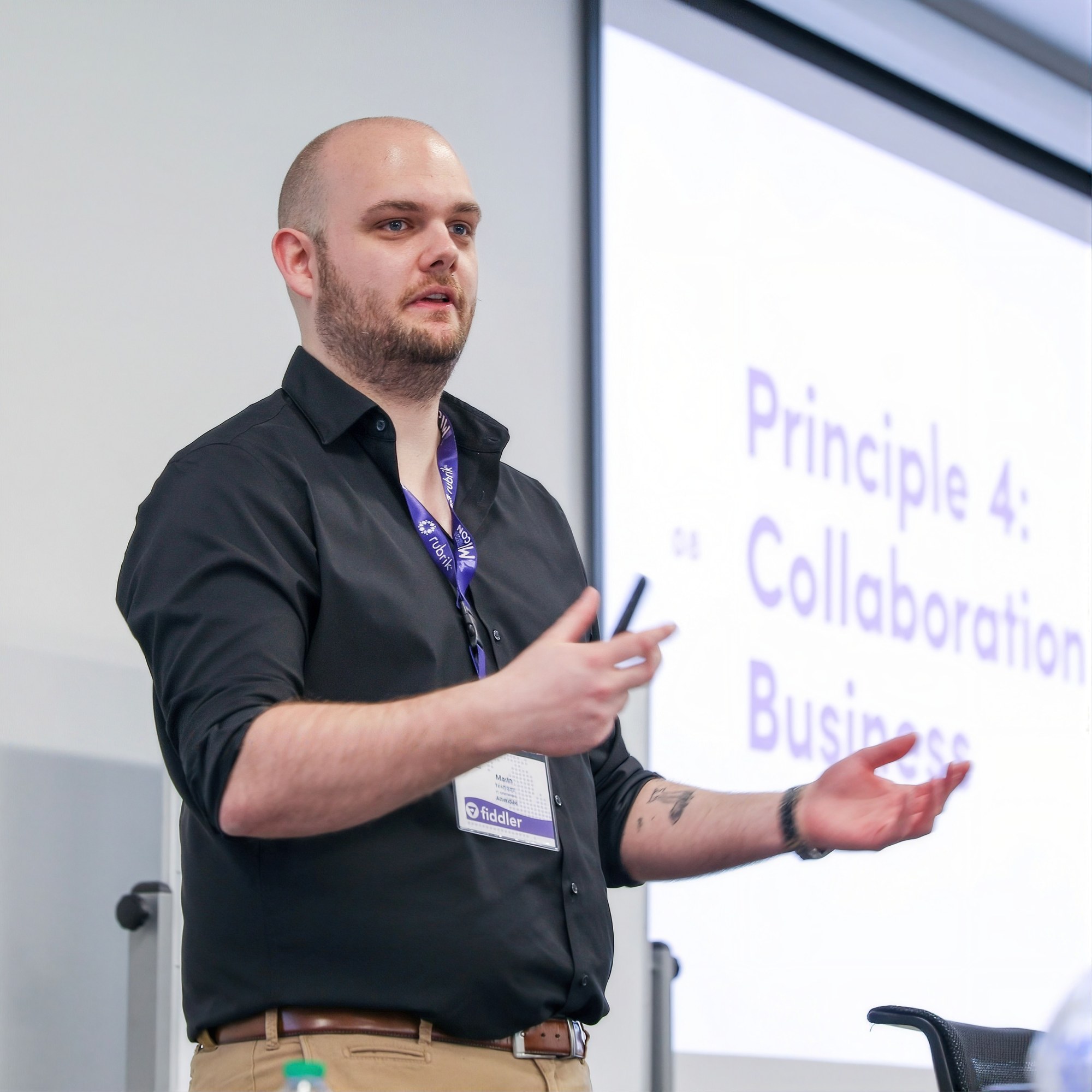
AI Is Easy - until you add people: Inside the Chaos of Implementing AI
Marin Niehues
The inside story of embedding AI in a global manufacturer: legacy systems, missing data, sceptical engineers, and an organisation not built for the change.
AI is supposed to be the future. At least, that's what all the PowerPoint decks say.
The pitch always sounds great - smarter production lines, real-time process optimization, predictive everything.
And then you actually try to make it happen.
It turns out that AI isn't the hard part - everything else is. The biggest blockers? Legacy systems that refuse to cooperate, missing data that no one realized was missing, skeptical engineers who don't trust "some algorithm," and processes designed for a world that existed long before AI.
But most of all, it’s the people and the organization. Most companies like the idea of AI far more than the change it actually requires
Roles, responsibilities, decision paths -none of it fits. And no one wants to be the first to do things differently.
This is the inside story of embedding AI in a global manufacturer, a project I led from start to finish. The goal was ambitious, the potential was huge, but reality had other plans. I'll walk you through what actually happened-the unexpected resistance, the messy pivots, and the moments that nearly killed the project.
What you'll walk away with...
... a real-world AI case study-not the polished version, but the unfiltered reality.
... why AI isn't just about technology - it's about people, processes, and organizational politics.
... how to deal with resistance, broken data, and invisible roadblocks.
... lessons from the trenches. What works, what doesn't, and what to avoid.
... how to avoid AI mistakes before they derail your next big thing.

· talk
7 Rules for Secure Coding with AI
Arjen Wiersma · Cyber Security Consultant at Scyon
Real examples of how a simple prompt to an AI assistant can open a security hole, and seven rules for using Copilot and Cursor safely.
Using AI assistants like GitHub Copilot and Cursor feels great, you can "vibe" with the AI and get working code, fast. But this speed, if you're not careful, can create serious security problems. This talk goes beyond vague warnings and shows you real-world examples of how a simple prompt for an api call or an error message can accidentally create a major security hole for attackers.
But this session isn't just about the problems; it’s about the solutions. You will leave with "7 Rules for Secure Coding with AI," a straightforward guide you can start using right away. You'll learn practical skills to use AI safely and effectively.
· talk
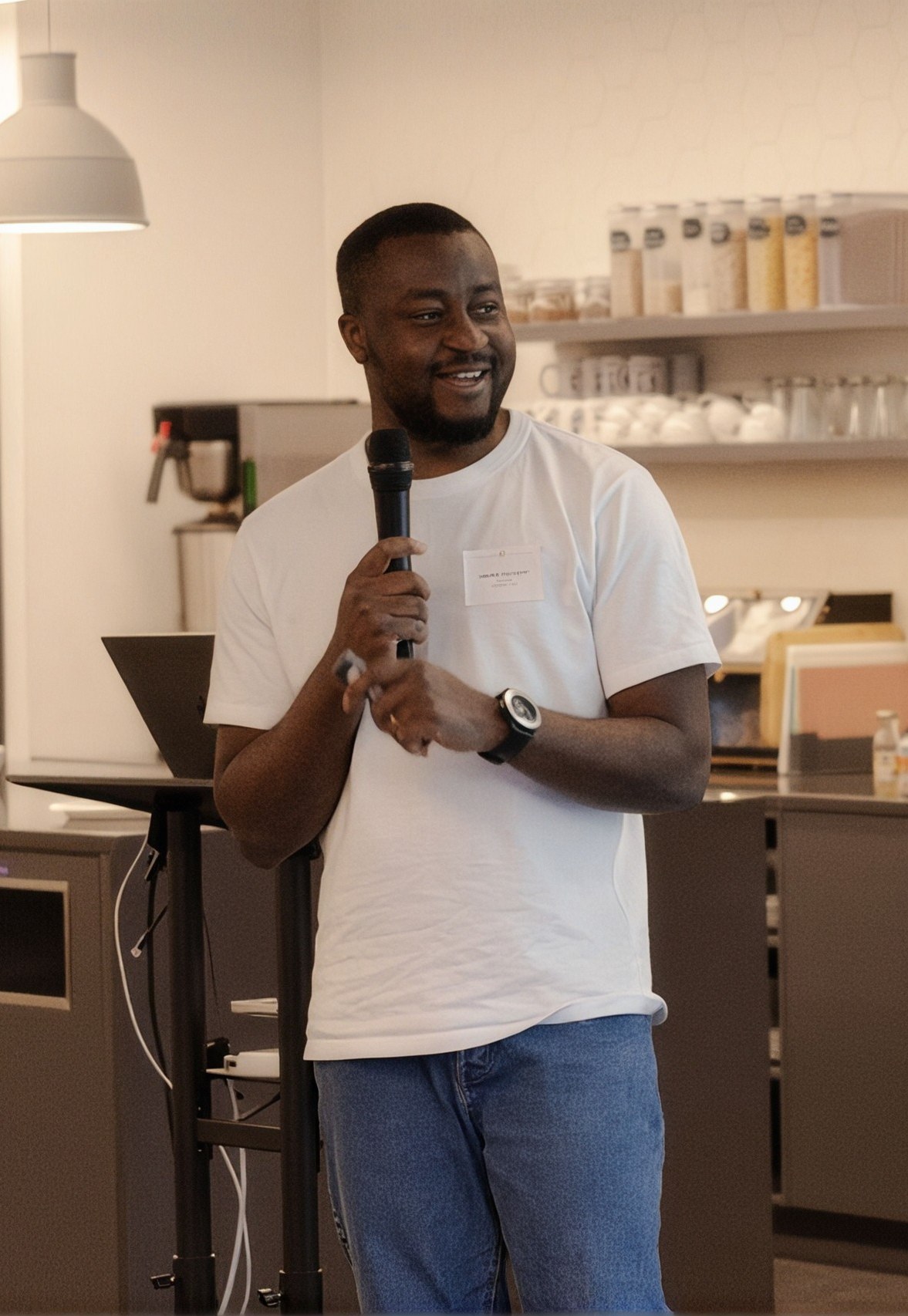
Open Source and the new AI Stack: Where Developers fit in
Ayodeji Ogundare · Developer Advocate at Adyen
A map of the open source AI stack, from models and infrastructure to tooling and developer interfaces, and where developers can contribute without ML expertise.
The AI world is moving fast, but it is also leaving many developers behind. Between foundation models, inference engines, agent frameworks, and prompt orchestration tools, it’s hard to know where to plug in, especially if you’re not training models yourself.
Here’s the good news: open source is powering the new AI stack, and developers of all kinds are needed to help shape it.
In this talk, we’ll break down the modern open source AI stack into its core layers, from models and infra to tooling and developer interfaces, and show how developers can contribute meaningfully at every level. Whether you're a backend dev building APIs, a frontend engineer designing UX for agents, a DevOps engineer setting up inference infra, or someone improving docs and onboarding, there’s a place for you.
This talk is for anyone who wants to transition from curious observer to active contributor in the open source AI movement.
Key Takeaways:
- A clear, visual map of the open source AI stack
- Specific OSS projects and roles developers can contribute to (even without ML expertise)
- What great DevX looks like in open source AI and how to improve it
- How to get started: contribution paths, communities, and first PR tips
Where.
- venue
- De MakersfabriekCeintuurbaan 15, building ZF (Het Ketelhuis)Zwolle, Overijssel
- getting there
- Park on the De Makersfabriek grounds: enter the old Philips terrain via the McDonald’s. Walk to building ZF (Het Ketelhuis), past ZWINC, and turn left at the polar bear. The entrance is at the back of the building.directions
Speak at DevPulse
$ pwd /devpulse
cd ./speakA talk about something you built, broke or learned. Send a title and two lines.[email protected]