                                       18
                                     :00:+
                                  00#>@doo++
                                rs#open#+=de+
                             @makersfabri+++e++
                           k%zwolle#18:=+00=+:0=+
                        0@>#dinner@18:45+++:+++00+
                      @>#talk#who-is-po+li=+ci+++n++
                   g-the-ai-police-welco+=me+=-t+=o-+
                 the-age-of-algorithmic+-+++i+++n+++j++
              ustice@--speaker@"marin#n+=ie+=hu=+es=+"#=+
            19:45:00#>@talk@code-revie+w+++s+++-+++a+++nd+
         -agentic-workflows#--speaker#=+"m=+ic=+ha=+l#=+wr++
       zosek"%20:05:00@>#talk#from-solo+++-+++ag+=en+=ts+=-t+
    o-ai-teams@--speaker@"jettro#coen=+ra=+di=+e"+++#+++2+++1++
 :05:00@>#drinks@::#devpulse@no.7@::%18+=:0+=0:+=00+=#>+=#d=+oo=
 rs#open%de#makersfabriek@zwolle#18:++00+++:+++0+++0+++#+++>+++#++
   dinner#18:45:00#>%talk#who-is-polic+=in+=g-+=th=+e-=+ai=+-p=+ol=+
    ice-welcome-to-the-age-of-algorith==+mi===c+==-+++i+++nj+=us+=ti+
      ce#--speaker*"marin%niehues"*1==9:+==45:==+00===#>==*ta==+l+=+k++
        *code-reviews-and-agentic-w+or===kf===lo===ws===#-===-s+==pea==
         ker%"michal%wrzosek"*20:05===:00==*>*==+ta===lk===#f===ro==
           m-solo-agents-to-ai-tea+=ms===#-===-s===pe===ak===er+=
            *"jettro*coenradie"#21:+==05:==+00===#>===#d===ri==
              nks#::#devpulse#no.7==#:===:#===18===:0===0:+=
               00#>*doors#open#de#ma==+ke===rs===fa===br==
                 iek#zwolle#18:00+==:0===0#===>#===di+=
                   nner*18:45:00%>#t===al===k#===wh==
                    o-is-policing-==th===e-===ai+=
                      -police-wel+co===me===-t==
                       o-the-age-===of===-a==
                         lgorithm+ic===-i==
                           njusti===ce==
                            *--s==pe==
                              ake==
                               ==

DevPulse: tech, in person.
· de makersfabriek, zwolle, overijssel
Meetup No. 7
nextAgents at Work
A free evening meetup: dinner, talks and drinks, for people who build.
4 of 70 seats leftpeople from Event Currency, Andere Isabel, ArcNode, and 13 more are coming
- dinner
- talks
- drinks
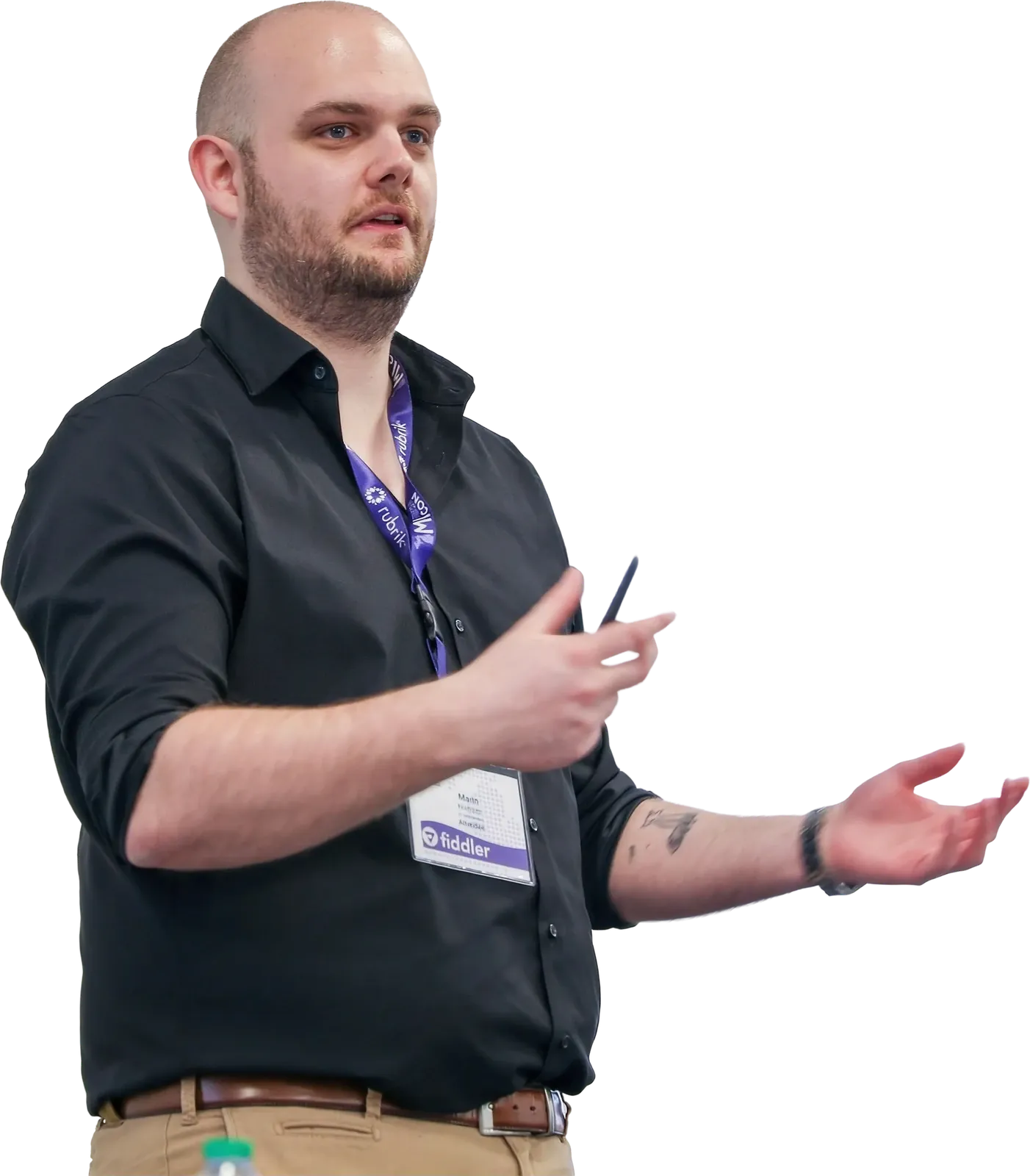
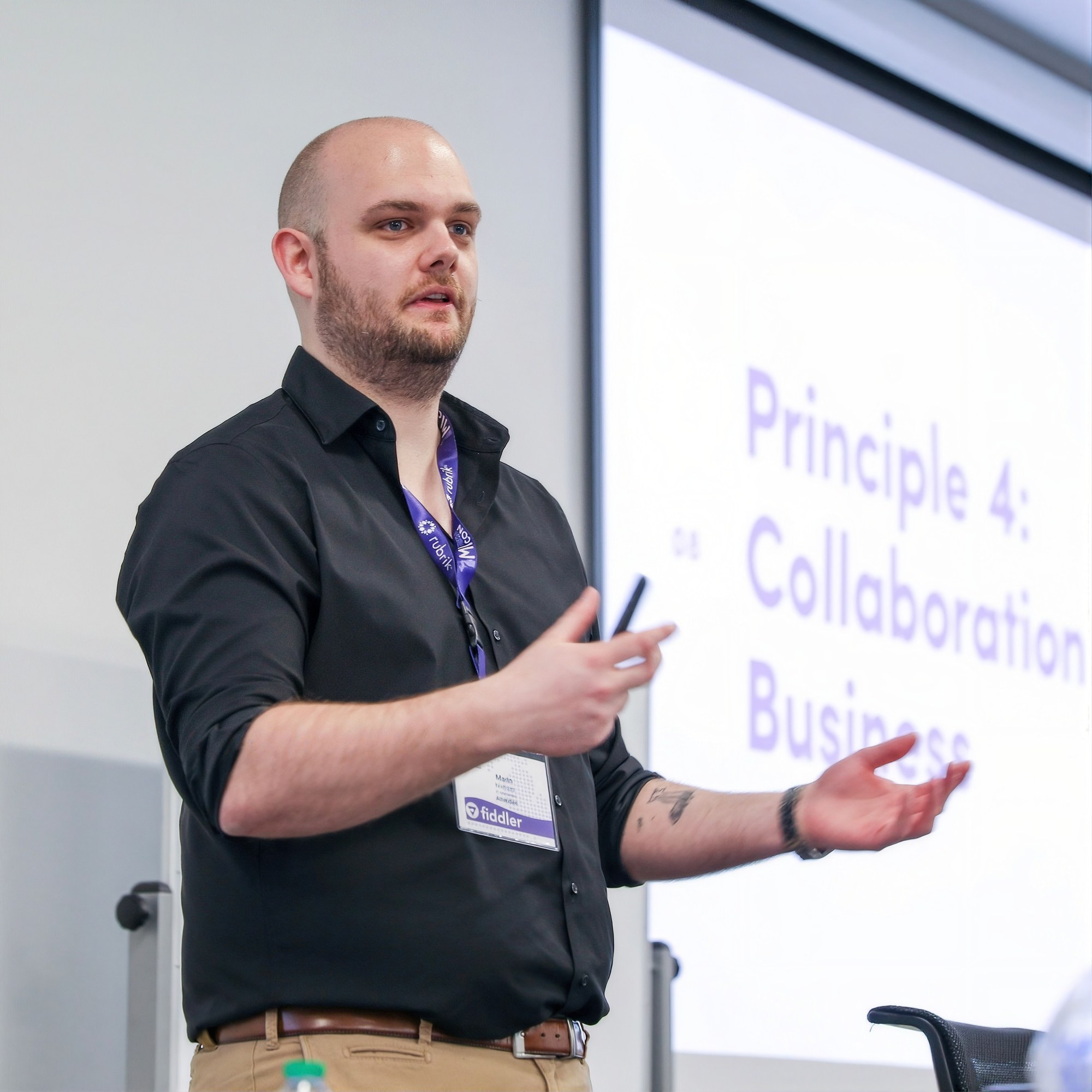 Who is Policing the (AI-)Police? Welcome to the Age of Algorithmic Injustice.Marin Niehuesabout this talk
Explores how AI systems trained on biased data reproduce discrimination and how to design responsible decision-making across policing, hiring, lending, healthcare, and education.
We're building AI systems that affect millions of people every single day and very few understand what they're actually reproducing.
Think about what we're doing. We train models on massive amounts of internet data shaped by decades of discrimination, inequality and power imbalances. Then we deploy these systems into hiring, lending, policing, healthcare and education.
Would you trust Reddit to raise your child? To decide who gets a job or qualifies for a loan?
Yet systems trained on exactly that kind of data now influence those decisions, because the models learned exactly what we taught it: society's ugliest patterns, now automated at industrial scale.
Neighborhoods shaped by redlining become risk signals. Certain names correlate with rejection. Images default to familiar power structures. The system doesn't ask why, it just optimizes.
A biased recruiter might affect dozens. A biased policeman might affect hundreds. A biased mayor may affect thousands.
A biased algorithm affects millions before anyone notices.
This session is about understanding what we're really building when we automate decision-making. What structural bias looks like and how it enters models long before deployment. Why "the data says so" is never sufficient explanation. And how to design AI systems that don't quietly make societal problems worse.
This talk is about responsibility when your code shapes millions of lives. Join this session to ensure we build them right.
programme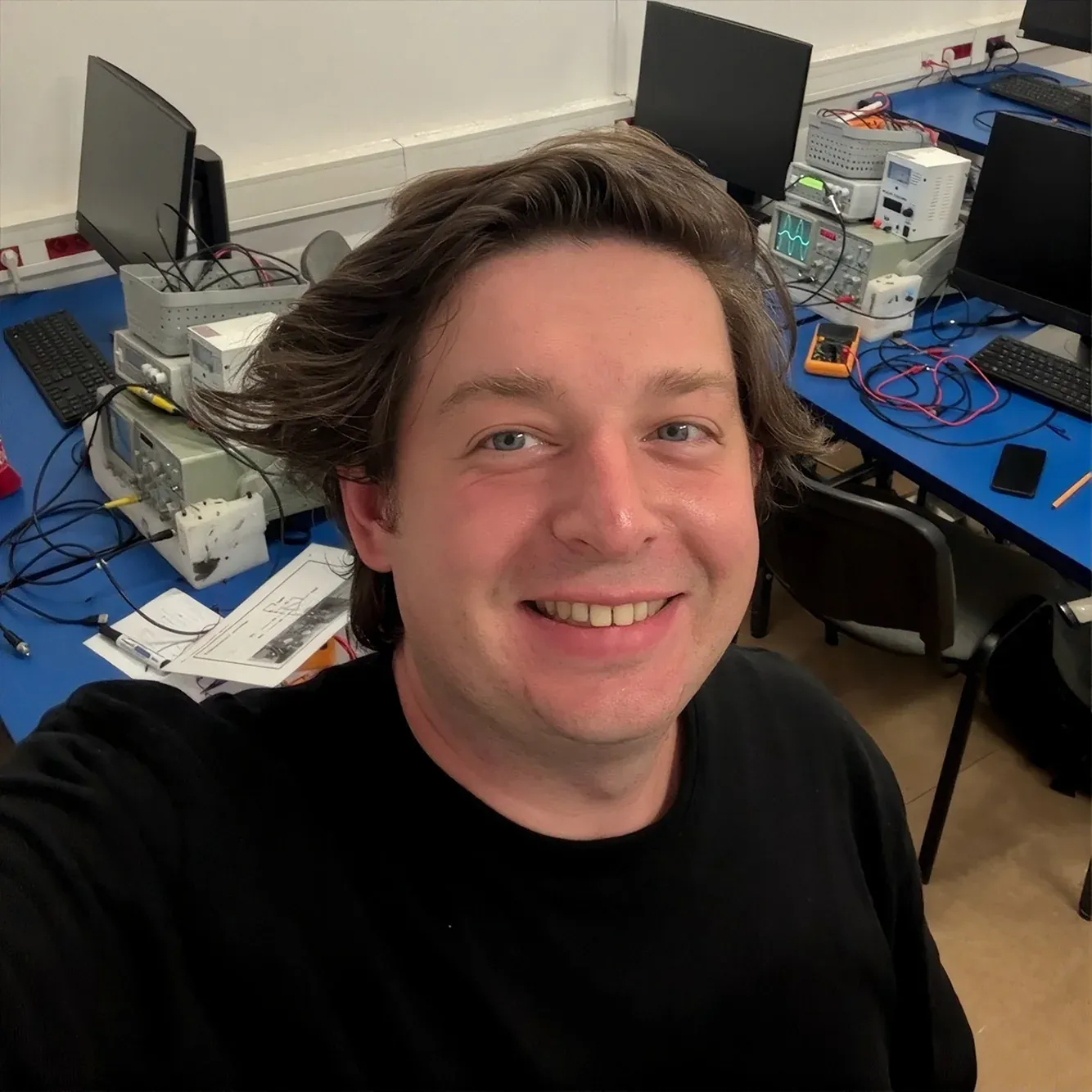 Code reviews and agentic workflowsMichal Wrzosek
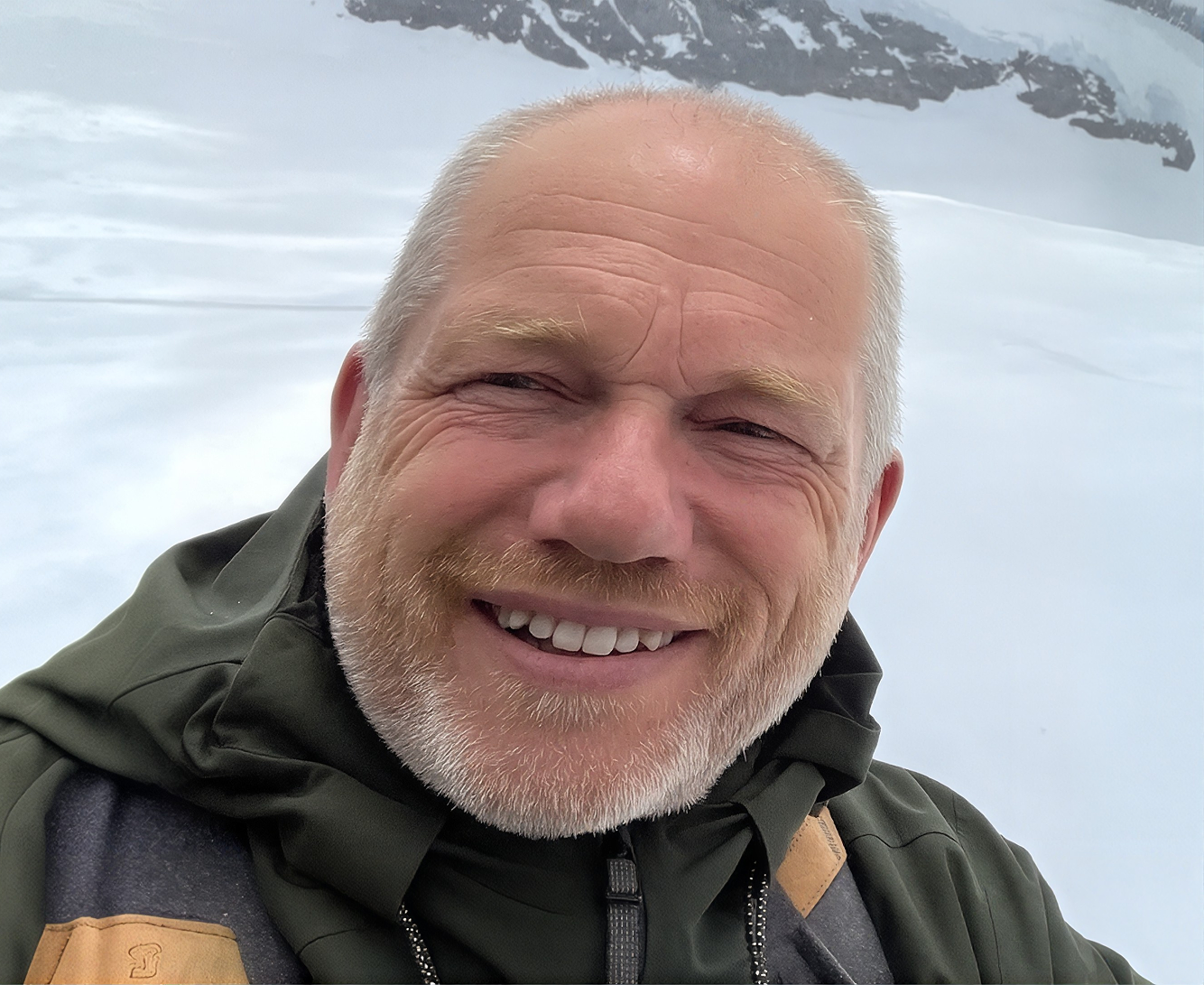 From solo agents to AI teamsJettro Coenradie · Yumaabout this talk
How do AI agents communicate, share state, and coordinate with people? Explore collaboration patterns and the Actor Model-inspired akgents framework through a live agent-team demo.
A capable AI agent can do a lot, but some tasks benefit from a team. As in software engineering, dividing responsibilities is only the beginning: the interesting challenges lie in how the parts communicate, share information, and coordinate their work.
This talk explores how agents work together, introducing collaboration patterns before looking at the engineering behind an agent team. How do you define responsibilities? Which state belongs to each agent? And how do you involve people in the collaboration?
To make these concepts concrete, I’ll introduce akgents, our homegrown agent framework inspired by the Actor Model. Its agents maintain their own state and communicate through messages, providing a foundation for teams whose members can work independently while coordinating toward a shared goal. I’ll explain why we chose this approach and demonstrate it with a team of agents that arranges a meeting, finds a room, and organises lunch and drinks.
You’ll leave with a practical understanding of multi-agent collaboration, the architectural choices involved in building agent teams, and a clearer sense of when those teams are worth the additional complexity.
programme
The evenings, on film.
your first evening
- welcome
- We open with a welcome over dinner and close with drinks, to meet the others.
- the list
- The kitchen cooks for the list, so sign up first.
- questions
- Mail us before the evening.
on the calendar
The evenings after the next one, all at de makersfabriek, zwolle, doors 18:00. Speakers follow as they confirm.
earlier evenings
$ ls ./earlier6 evenings · 14 talks · 15 speakers
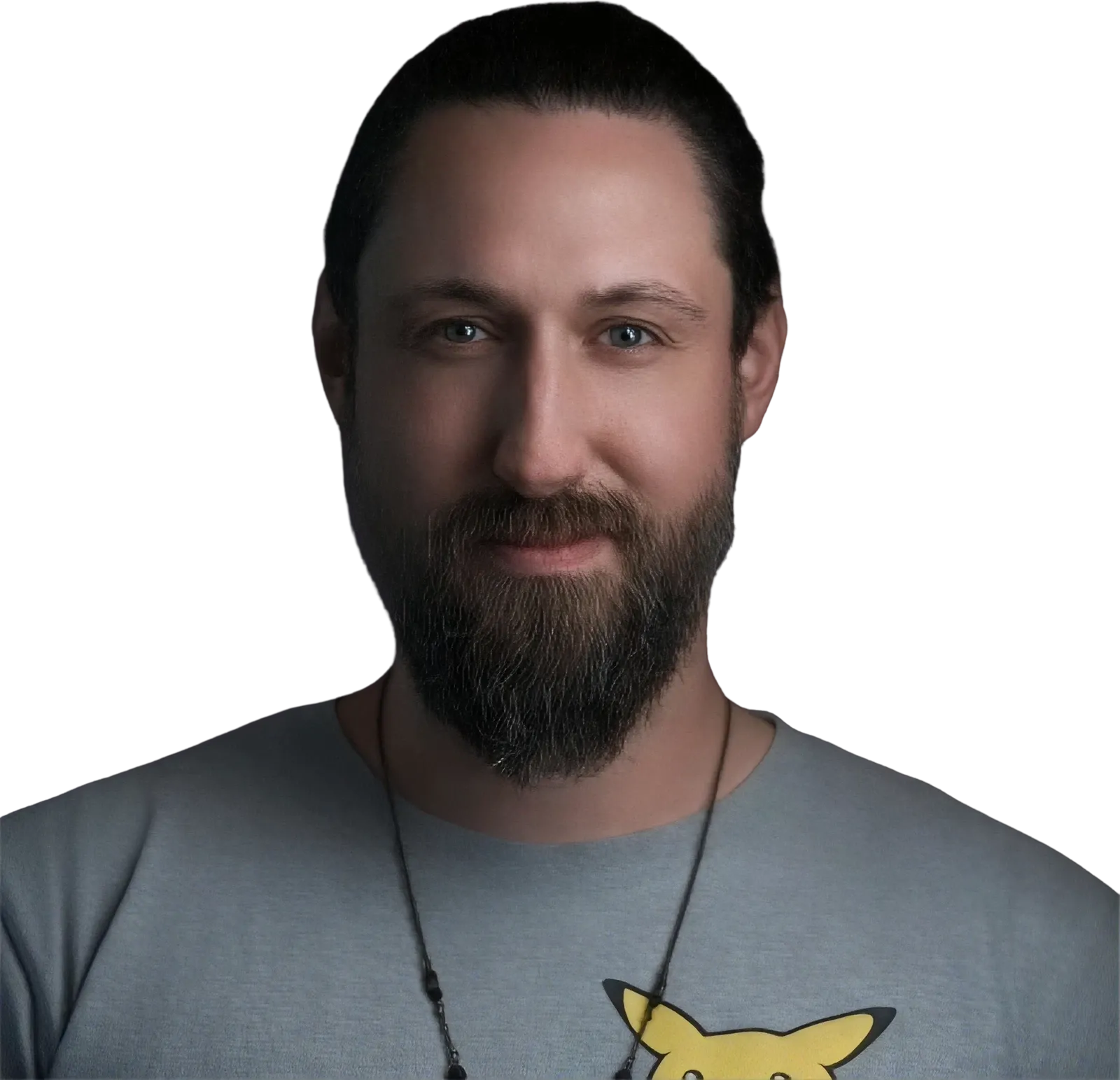

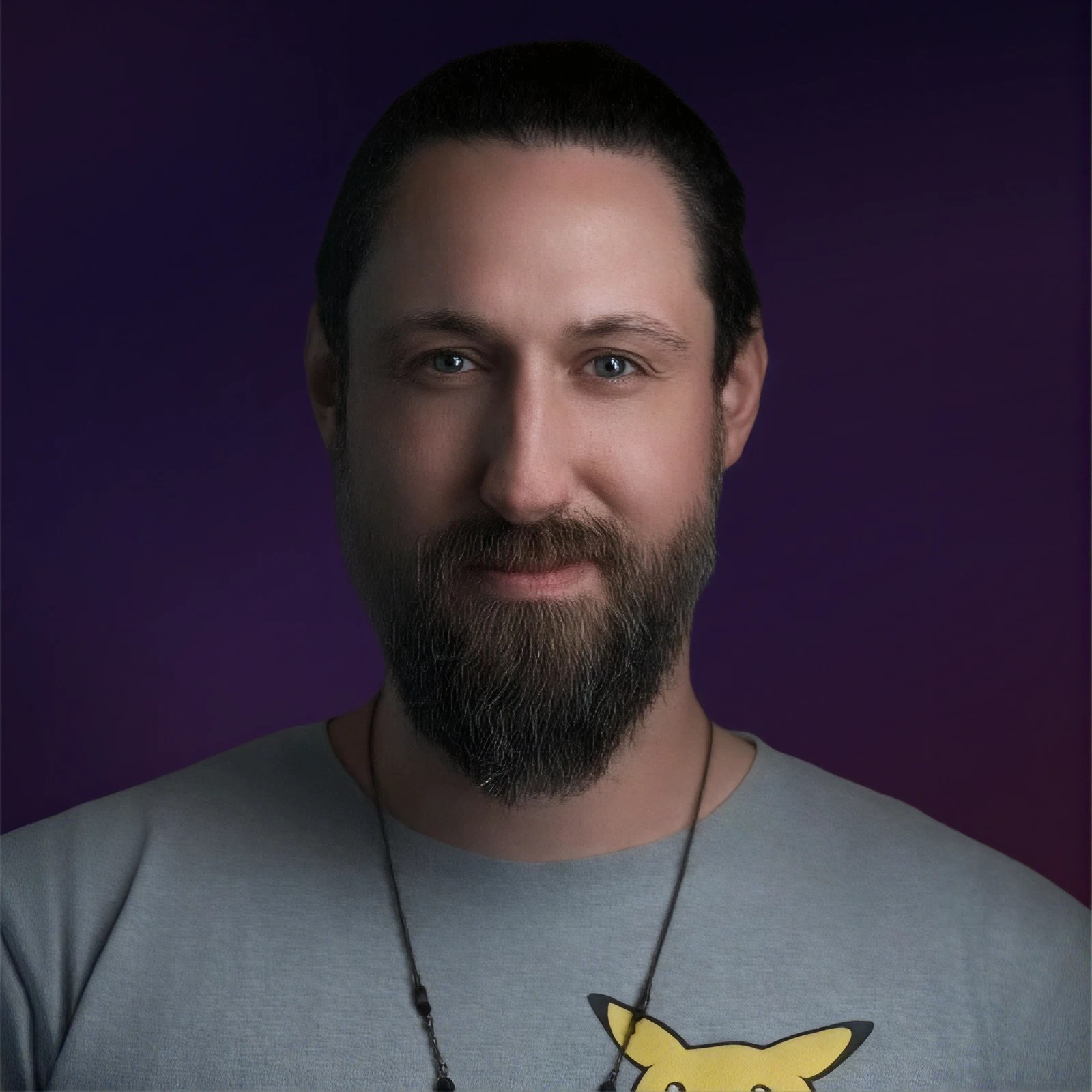
Rio Kierkels · Tribe AI
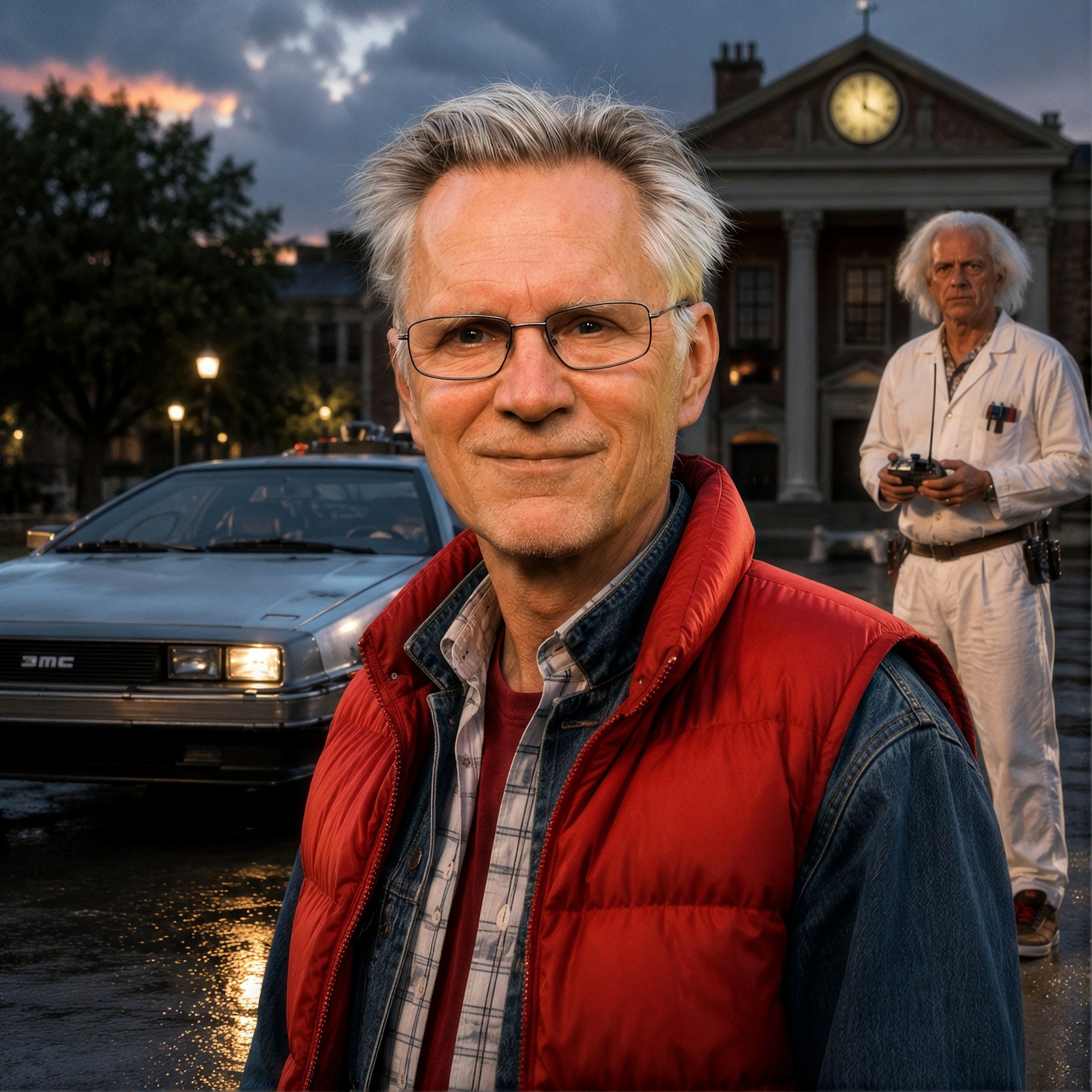
Back to the Future: Building a RAG-Powered VR Time Machine
Marc Buma & Susanne Pieterse

Building a scalable ticketing platform
Robert Slootjes · Superstruct Digital Services
Norbert de Langen · Chromatic

Thomas Kooi · Thalassa Cloud
follow devpulse
New evenings and their speakers, by email.
Unfollow from your account any time.